Book recommendations

Reference Books

Who Was?

By many authors

Ah, the ubiquitous Who Was series pops in again. A staple of every classroom and kids’ section at the library, it is now probably publishing its 500 millionth book that we do not even try to keep track of.

But why is it such a classic? Why do teachers and kids love it so much? Partially because of its length—they’re short and sweet, but don’t skimp on any of the major details. Or maybe it’s the writing style. Many nonfiction kids’ books use “kiddie language” to try and interest young audiences, but that was never the case with a Who Was title (I liked that a lot). Because of this, I would recommend the series to anyone who is just starting to learn history.

If you’ve read a few Who Was books, you should watch the Netflix comedy show, which is based on the books and simply titled The Who Was Show. My sister and I have watched it (and rewatched it) an embarrassing number of times.

Needless to say, the Who Was series, complete with the giant heads on the front covers, is here to stay—and a great starting point for anyone looking to dive into history.

My favorites
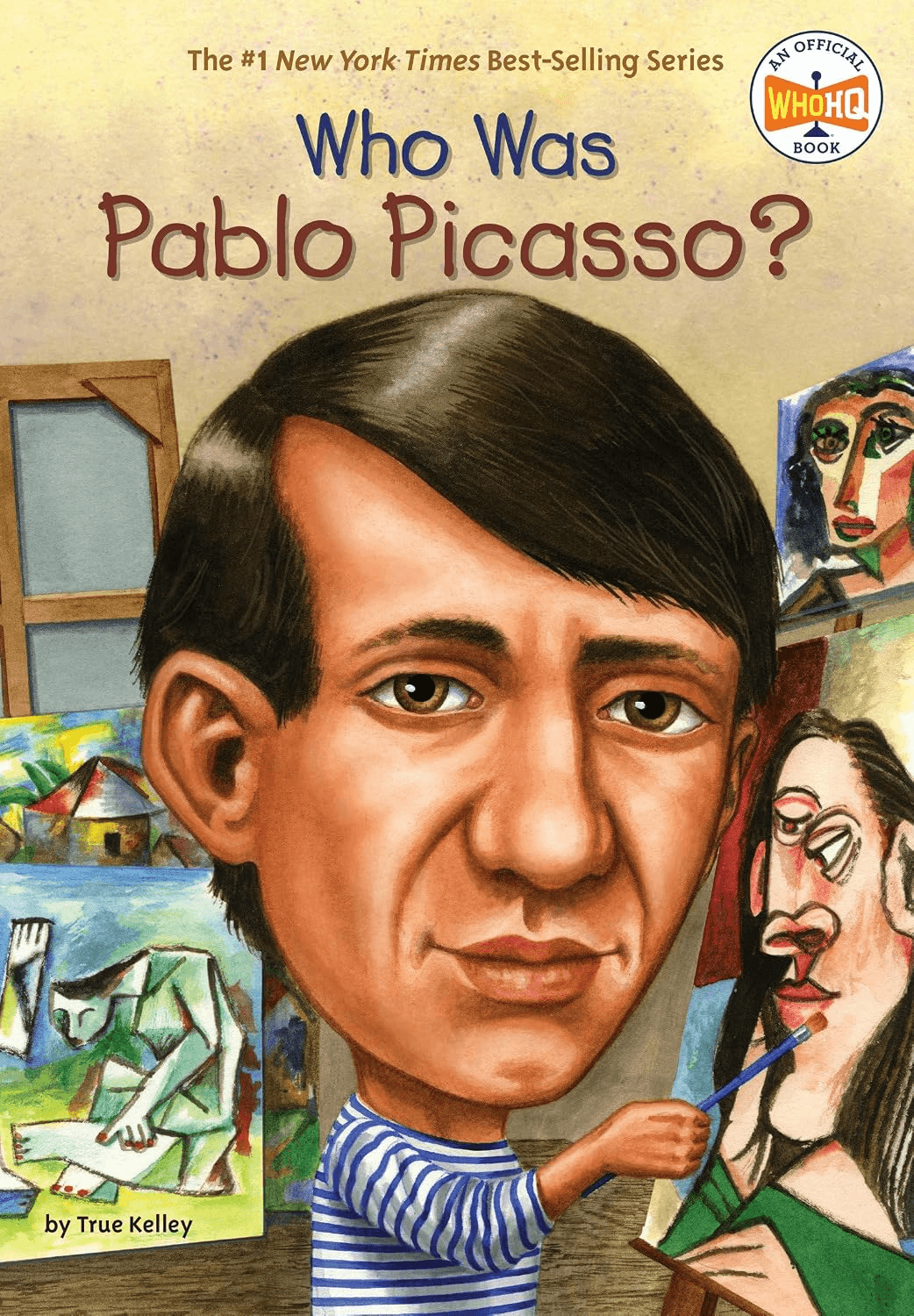
Cover of Who Was Pablo Picasso?
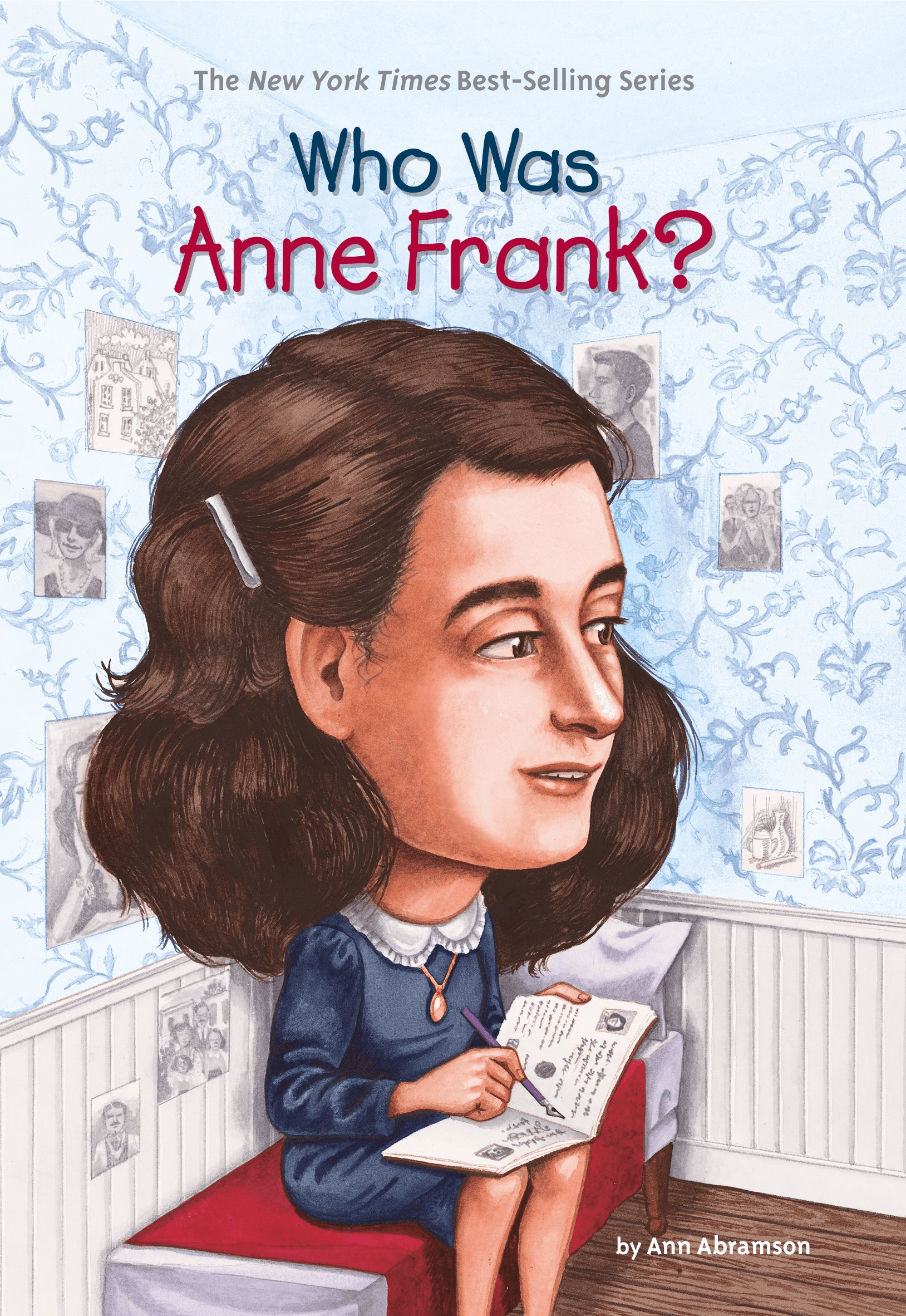
Cover of Who Was Anne Frank?
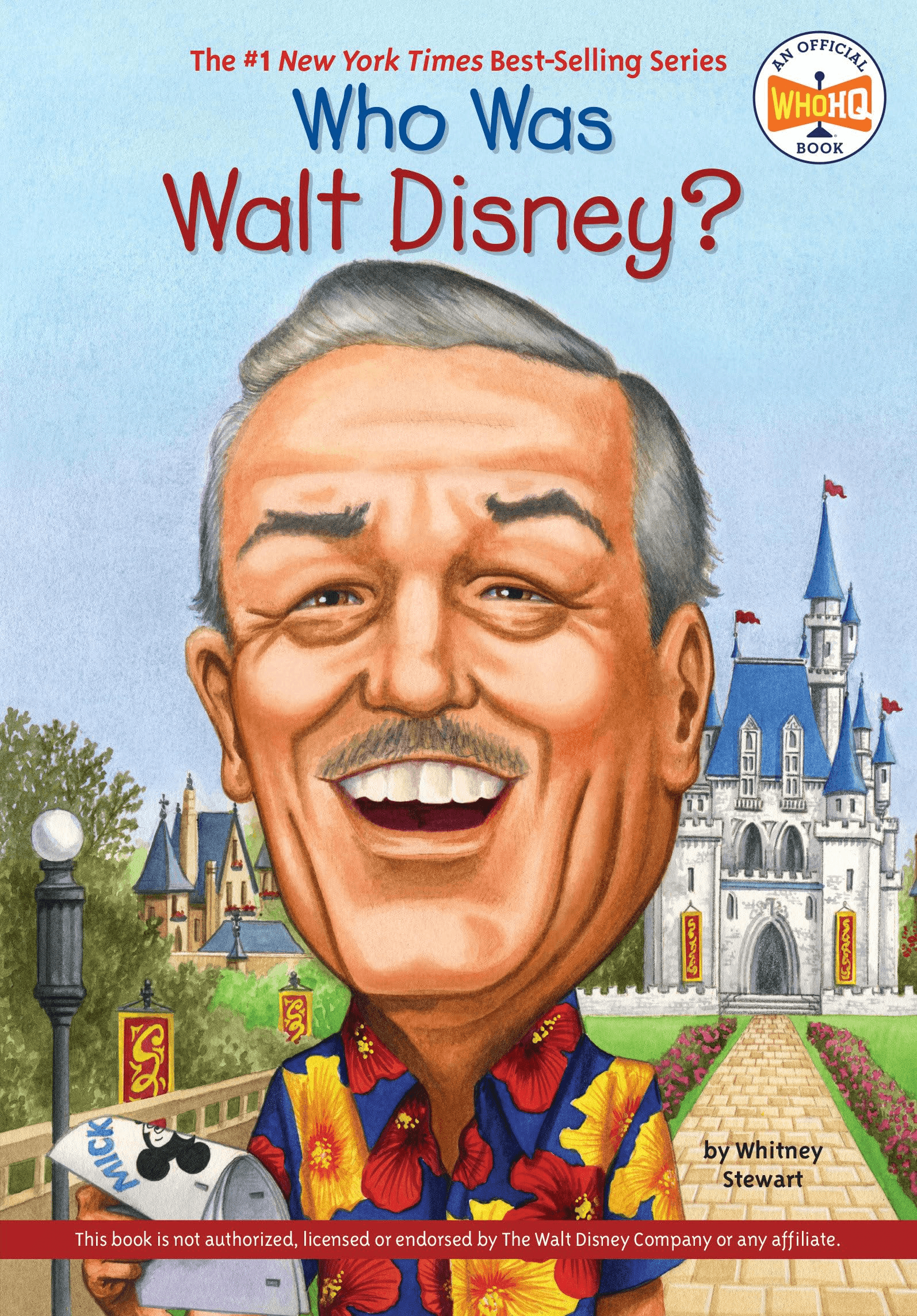
Cover of Who Was Walt Disney?

Kid Legends

By many authors

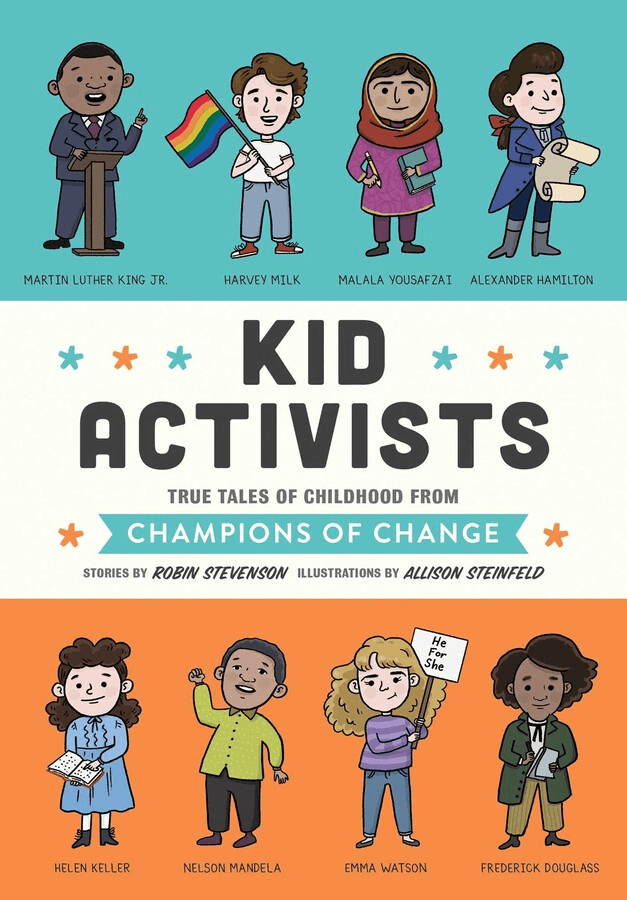
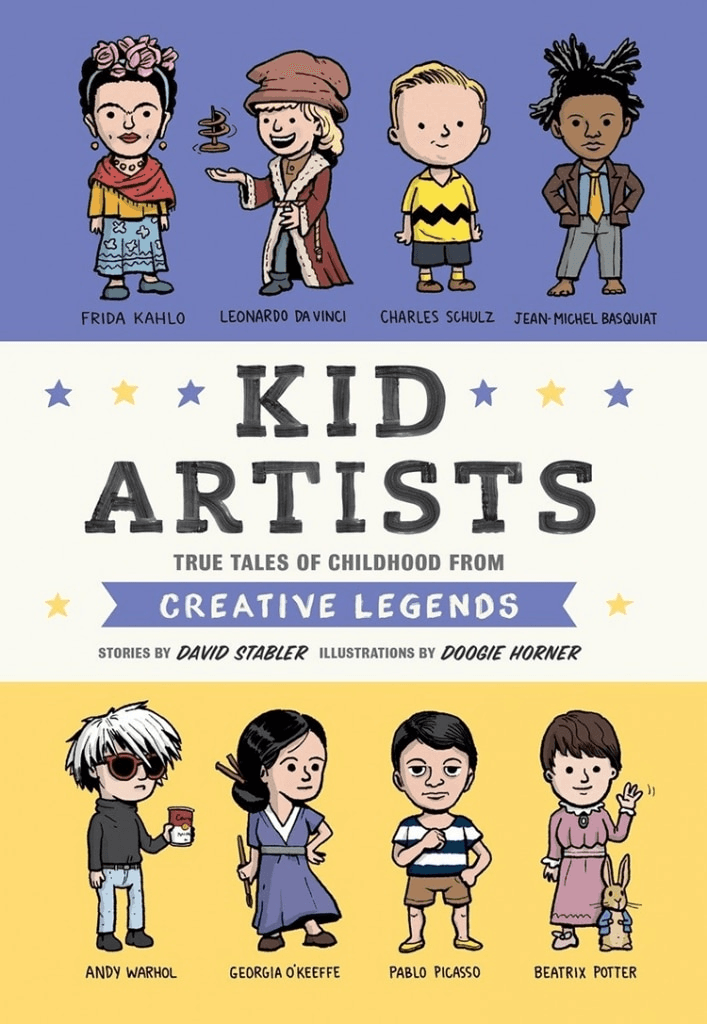
Kid artists, kid scientists, kid athletes—you name it, this series talks about it. Each book has about twenty stories about famous personalities when they were kids.

In fact, I like this better than the Who Was books because 1) they have awesome cartoons and 2) discusses lesser-known personalities (such as American sculptor Louise Nevelson and transgender activist Janet Mock) that would never have an entire Who Was book dedicated to them.

I think that these books are so amazing because they make history relatable. It’s one thing to hear boring lectures about historical figures, but quite another to learn about them as children!

My favorites

Cover of Kid Activists
Cover of Kid Artists

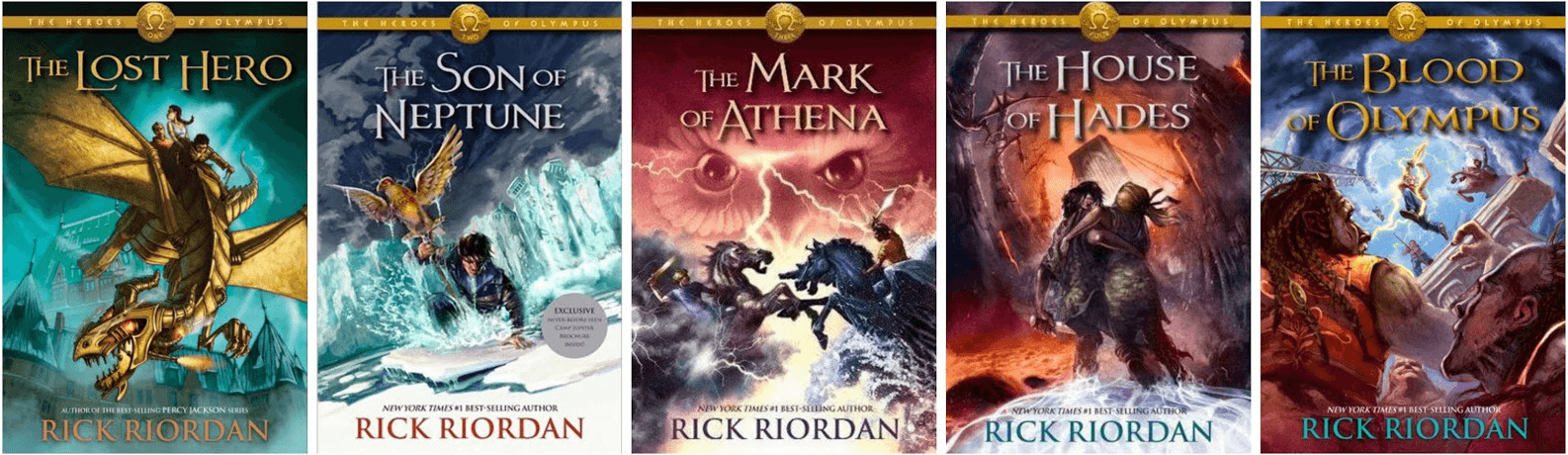
Percy Jackson and the Olympians

By Rick Riordan

Most kids, at some point, have heard about Percy Jackson, the demigod warrior who fights Greek gods and monsters with his friends Grover and Annabeth. But what a lot of people don’t realize is that the Percy Jackson series, even though it’s a fictional series, is super educational. Many of the books follow the plot structure of Percy going on a journey to find something. On the journey, his meetings with mythological beings teach the reader a lot about Greek stories and culture—except, of course, they don’t realize they’re being taught. I have answered so many trivia questions correctly all because of Percy Jackson.

The first five Percy Jackson books are kind of like the Harry Potter series—a big war is building up, and the epic conclusion takes place in the fifth book. I would recommend them, simply because they’re the most fun to read, and provide a great understanding of Greek myths.

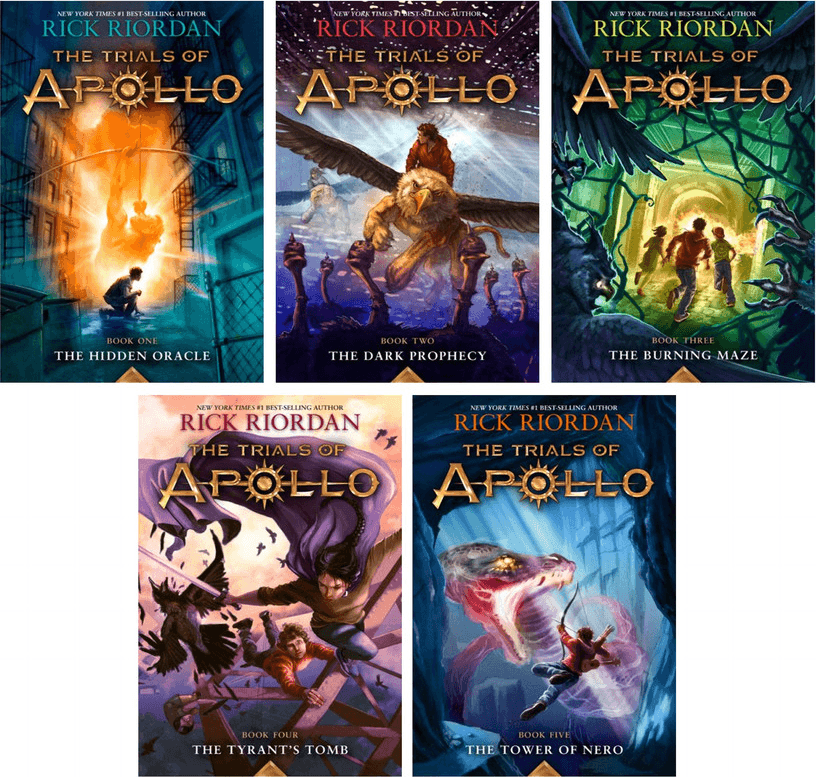
The following series, Heroes of Olympus, is definitely a step down from Percy Jackson, but is still educational because it focuses on Greek gods and the Roman versions of them. Skip the third series, Trials of Apollo, because it’s super corny and loses direction. (I only read the first book)

If you like the Percy Jackson series, I recommend checking out the Kane Chronicles (about Egyptian myths) and Magnus Chase (about Norse myths). To expand your Greek myth knowledge even more, I would also highly recommend EPIC: The Musical—a version of The Odyssey that is entirely in songs.

My ratings

The five Percy Jackson and the Olympians books

The original Percy Jackson series. Really good!!

★★★★★
The five Heroes of Olympus books

The sequel, Heroes of Olympus. Not as good as the first one, but still a worthwhile read.

★★★☆☆
The five Trials of Apollo books

Trials of Apollo, which in my opinion does not compare to the first two.

SKIP

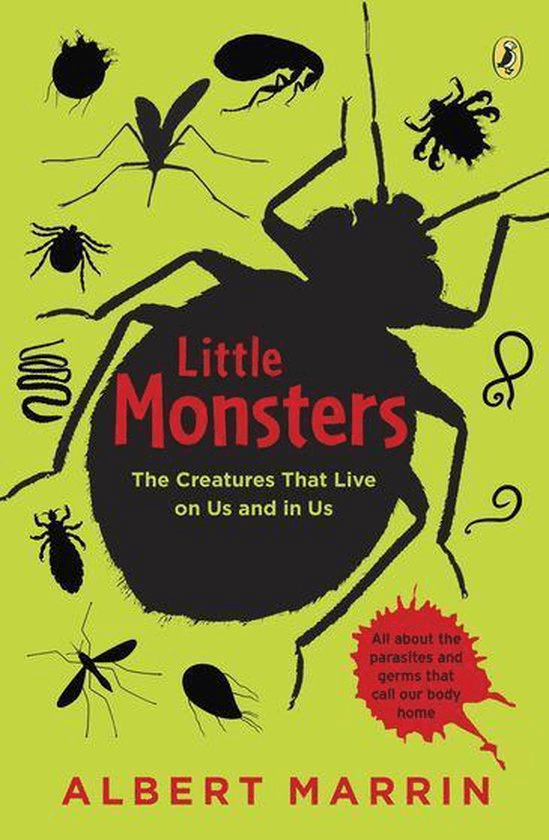
Little Monsters: The Creatures that Live on Us and In Us

By Albert Marrin

This is one of my favorite books…of all time. Period. The copy I have at home is wrinkled, the pages yellowed, and the cover almost fallen off the spine. As you might have guessed, the book is about parasites, with chapters devoted to worms, mosquitoes, fleas—you get the idea.

But, you might think, it’s a book about parasites, therefore it’s a science book. Yes, it is a science book. However, Little Monsters is equally a history book. Because disease was one of the biggest killers in ancient and medieval Europe, the book describes the prevailing superstitions around sickness at the time. For example, people believed that disease was caused by miasma (or “bad air”) and that ancient Romans worshipped statues of the “Goddess of Fever” to drive out malaria.

If you are the kid who likes collecting bugs in the yard, you should 100% read this book. It is one of the most interesting parts of the past; the intersection of science and history.

Cover of Little Monsters by Albert Marrin

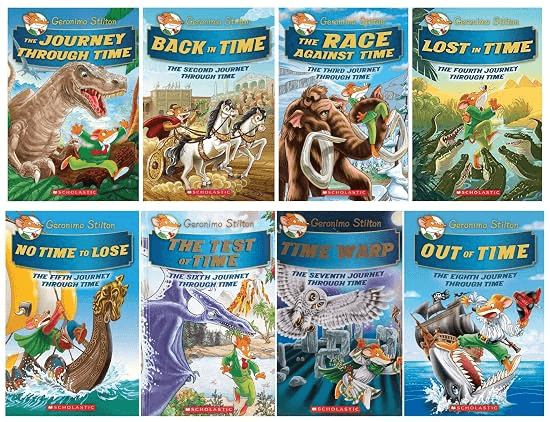
Geronimo Stilton: Journey Through Time

By Elisabetta Dami

Another example of how fiction is a great way to learn about history. Geronimo Stilton, a mouse writer, travels back in time with his friends, often to save the world. I would recommend this to younger readers who are looking for a fun series to get into.

Also—I take back what I just said. You likely won’t learn a lot about history by reading the series, but it is fascinating and a great way to spark an interest in the past.

Covers from the Geronimo Stilton Journey Through Time series

Goodnight Stories for Rebel Girls

By many authors

One reason why people get turned off to history is because they feel there’s not enough representation. Well, books like Goodnight Stories for Rebel Girls are solving that problem. Short, one-page narratives about the past’s amazing women are not only fascinating but also served me well through my quizzing journey. Move over, George Washington! Learn about Korea’s Seondeok of Silla and Yaa Asantewaa and the sacred golden stool.

Better yet, these books are growing in number. If you liked Goodnight Stories for Rebel Girls, check out:

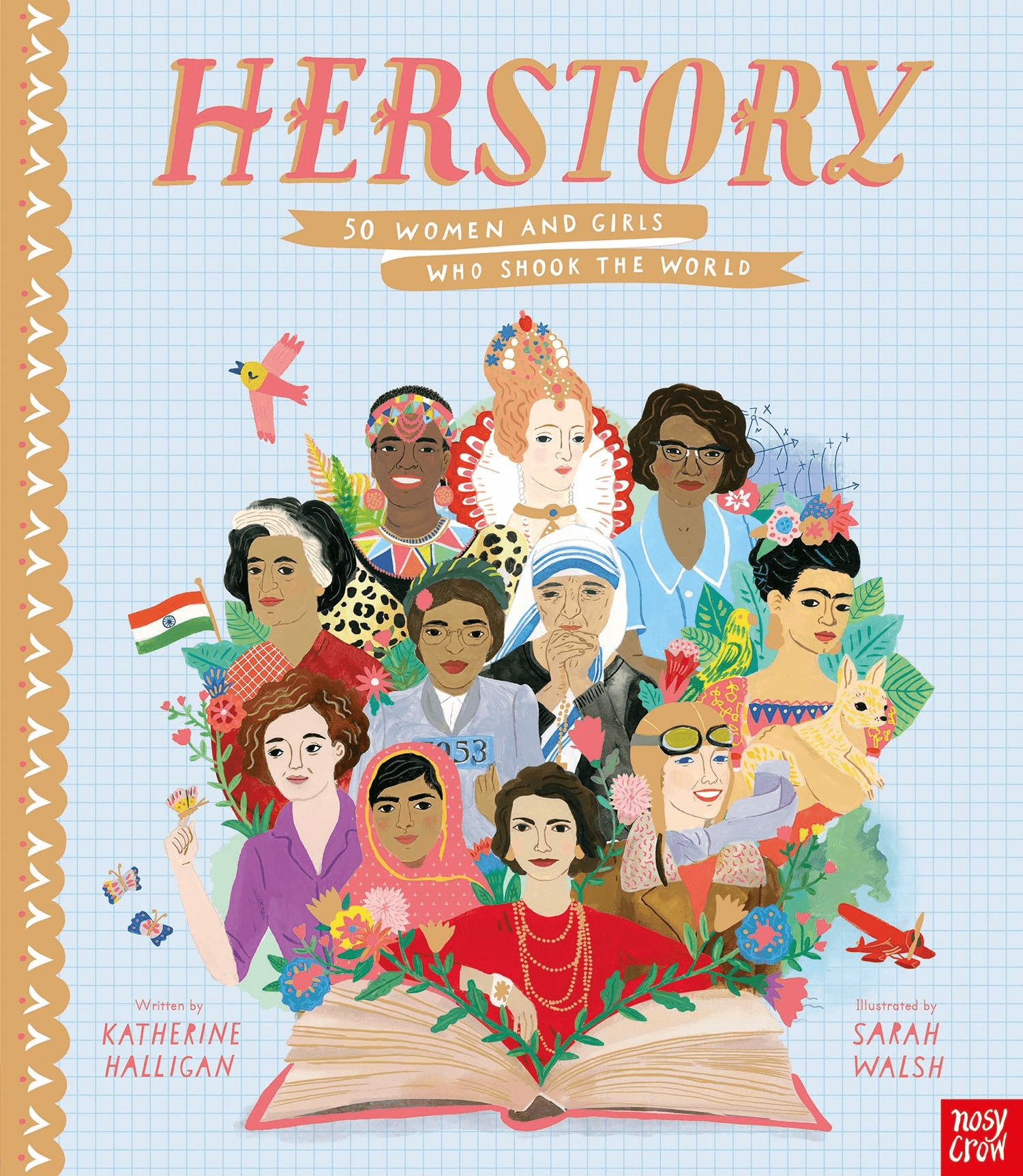
Cover of Herstory
Herstory
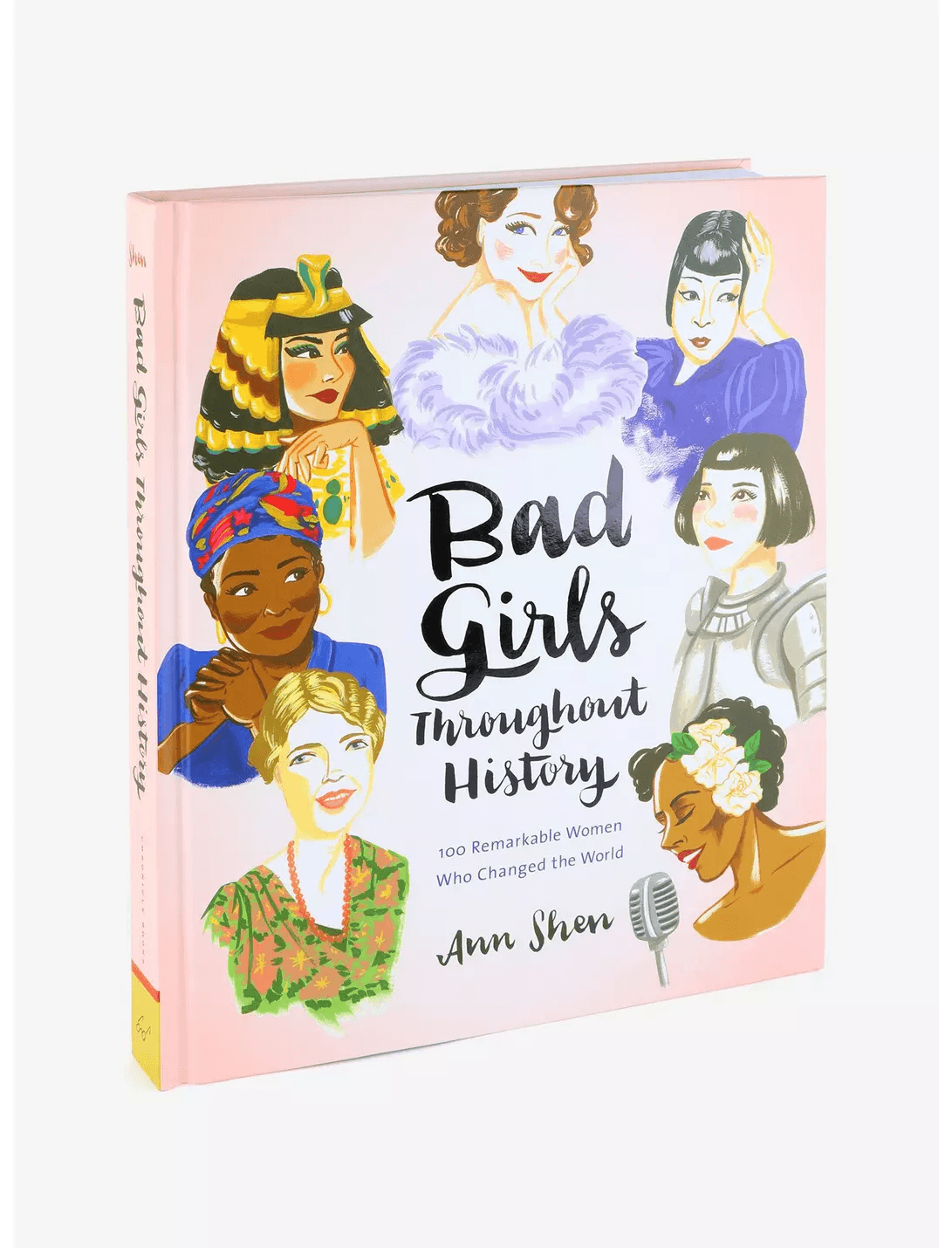
Cover of Bad Girls Throughout History
Bad Girls Throughout History
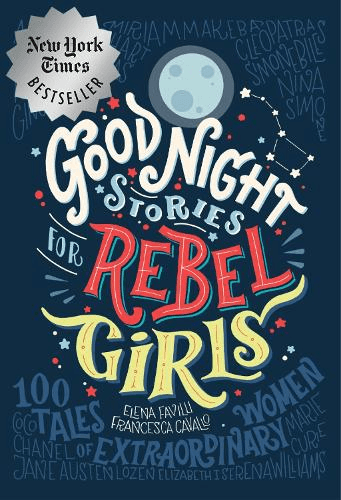
Cover of Goodnight Stories for Rebel Girls

The Travel Book

By Lonely Planet Kids

This is for the more geographically minded, but indispensable anyways, because it contains one page on every single country in the world. This sends happy tingles up my spine. No Eurocentrism here!

Also, because it has a page on every single country, it has fascinating facts about each one. Did you know that a quarter of Tahiti’s population is under 14 years of age? Or that Azerbaijan has a museum dedicated to carpets?

Reading The Travel Book is a great place to begin learning world geography, demographics, and of course—history. You may be inspired to travel to one of those places yourself!

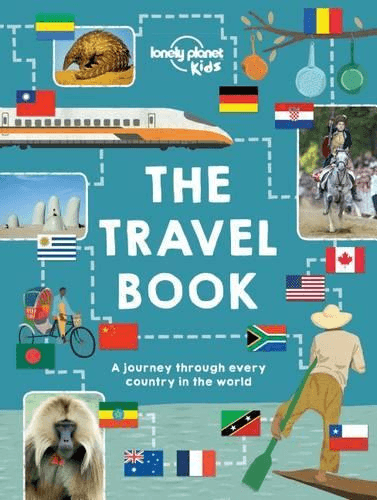
Cover of The Travel Book

A Child’s Introduction…

By multiple authors

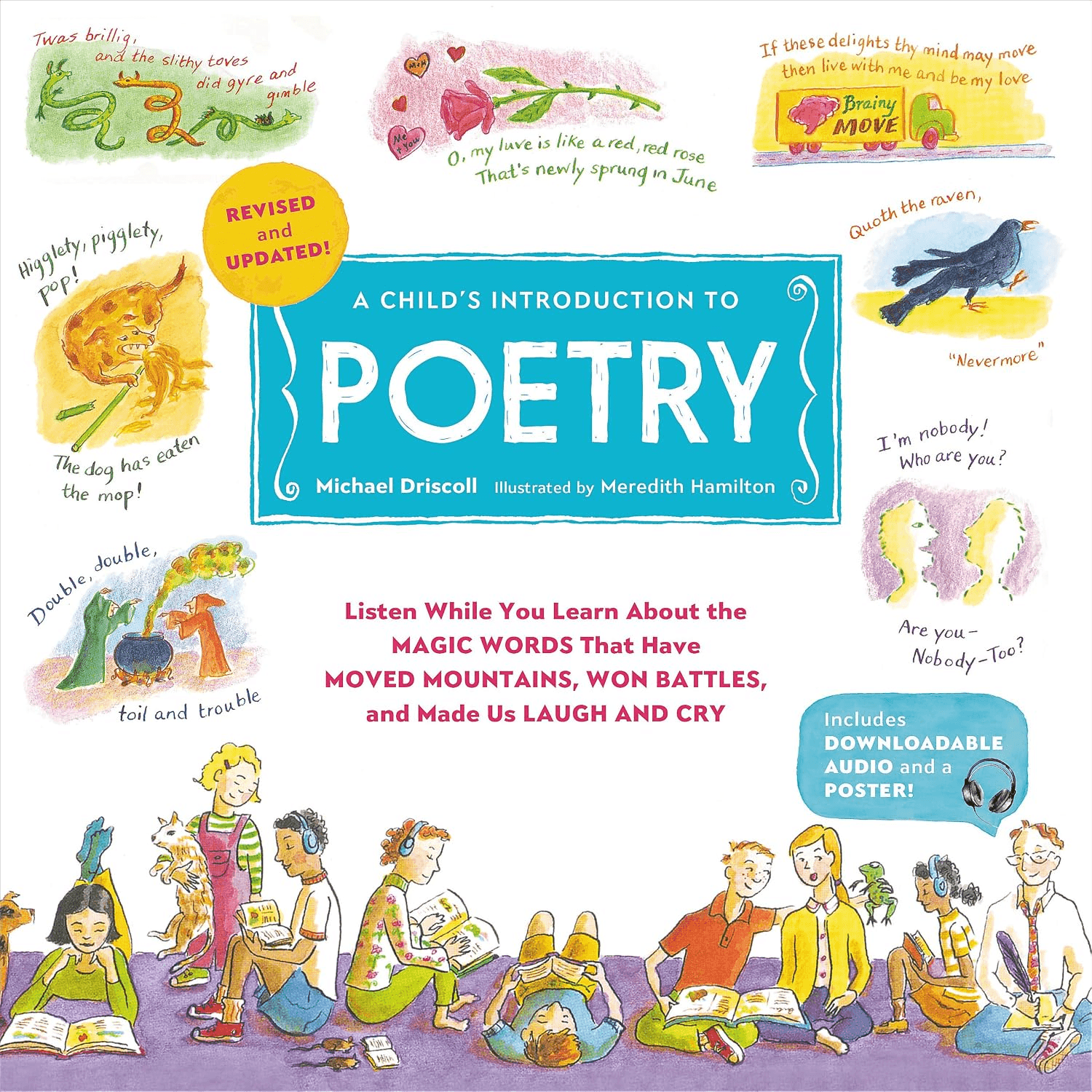
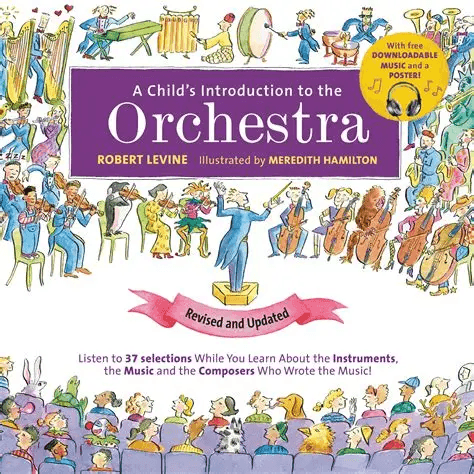
Poetry. The orchestra. Art history, and much more. You are the cultured sort, and a trip to museum once in two months just doesn’t cut it. Well then, why not experience the museum from home? Enter A Child’s Introduction, the 14-book series exploring all sorts of FOCI (Fields of Cultural Importance. I made that acronym up). There’s even a book on Norwegian mythology! (Despite my description, the whole series isn’t about arts and culture. They have books on the night sky and natural history.)

In particular, I would recommend these books to anyone just starting out IAC and particularly NAQT. (If you have no idea what those are, check out my “Competitions” tab, where I describe them in detail.) IAC has a bee specifically dedicated to the humanities, and a sizeable portion of NAQT questions deal with art, literature, and music. A Child’s Introduction is the perfect starting point.

My Favorites

Cover of A Child's Introduction to Poetry
Cover of A Child's Introduction to the Orchestra

If you like A Child’s Introduction Series, check out...

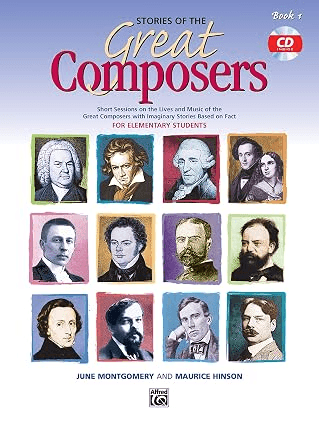
Cover of Stories of the Great Composers
Stories of the Great Composers
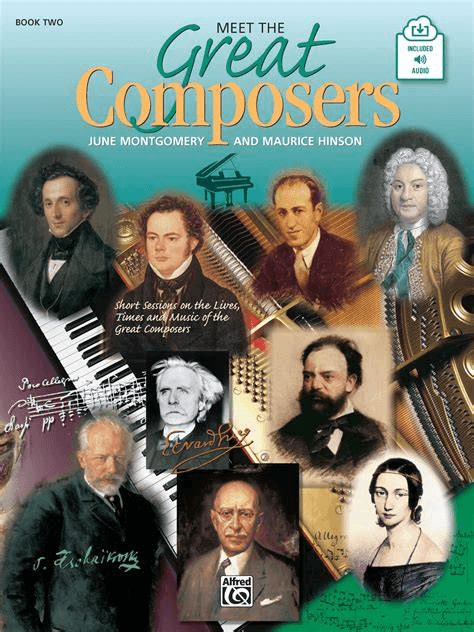
Cover of Meet the Great Composers
Meet the Great Composers

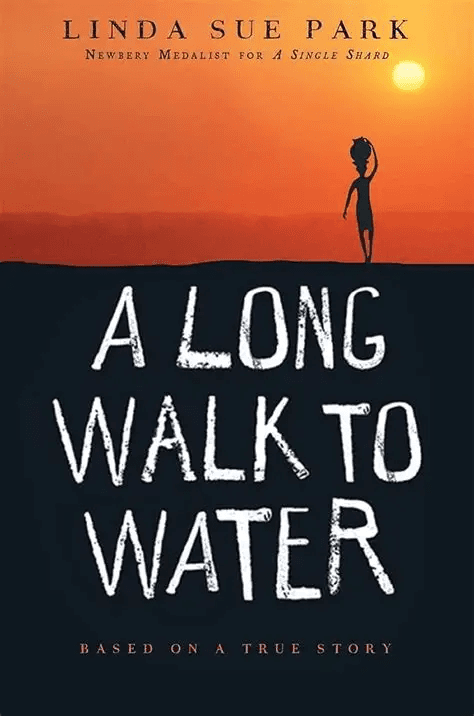
A Long Walk to Water

By Linda Sue Park

This isn’t necessarily a history book, but definitely a story worth reading. It simultaneously follows two Sudanese teenagers, Nya and Salva, navigating water shortages and fighting in their homeland. The stories take place in two different time periods—Salva’s in the 1980s and 90s, and Nya’s in 2011. Again, while this is not a history book, it is great for readers interested in the recent past.

Just a quick disclaimer: this book does contain some violence/emotional themes, so keep that in mind while reading.

Cover of A Long Walk to Water

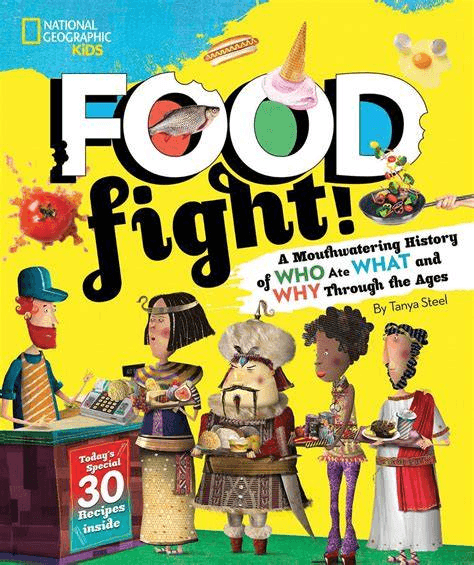
Food Fight!

By Tanya Steel

If you find long, drawn-out descriptions of historical battles boring, then that makes two of us. But this book is unique because it provides a new way of looking at the past—through its food! You often get a much better idea of an era through its lifestyle. Food Fight tells us that during the French Revolution, bakers pounded animal bones into flour due to wheat shortages, but anyone caught doing so would be executed. Instead of just telling you simple facts, “There were food shortages in the French Revolution, and the government was oppressive”, Food Fight shows you the day-to-day existence of people who lived back then.

Cover of Food Fight!
Back to all book recommendations